Conversational AI Advisor
Behavioural specification adopted as the client’s engineering build brief and taken into implementation.
- Adopted as build brief
- Clientwithheld under NDA
- 2024
From research to release. Lately, designing how AI behaves when it isn’t sure.
See the work ↓
Behavioural specification adopted as the client’s engineering build brief and taken into implementation.
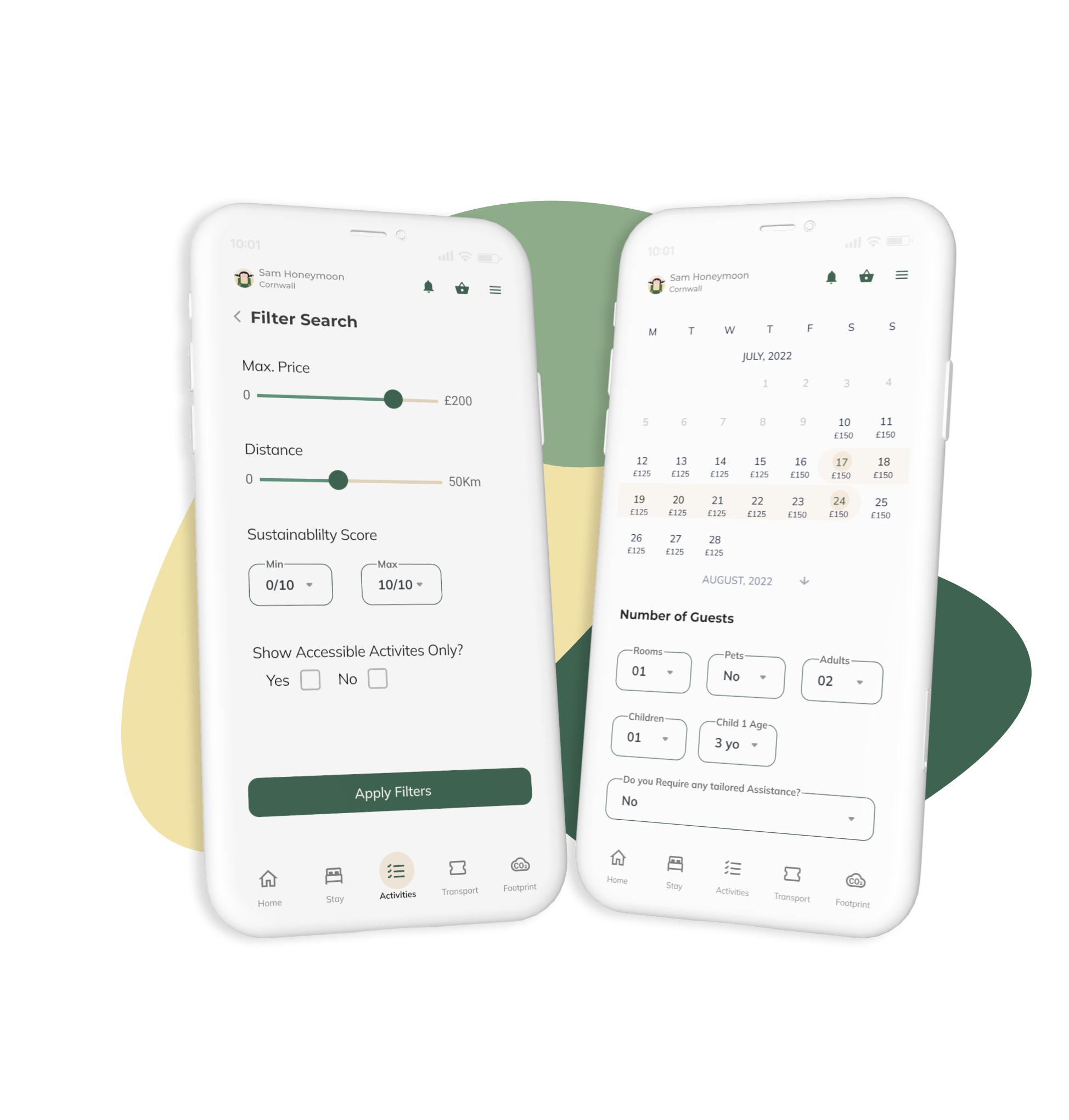
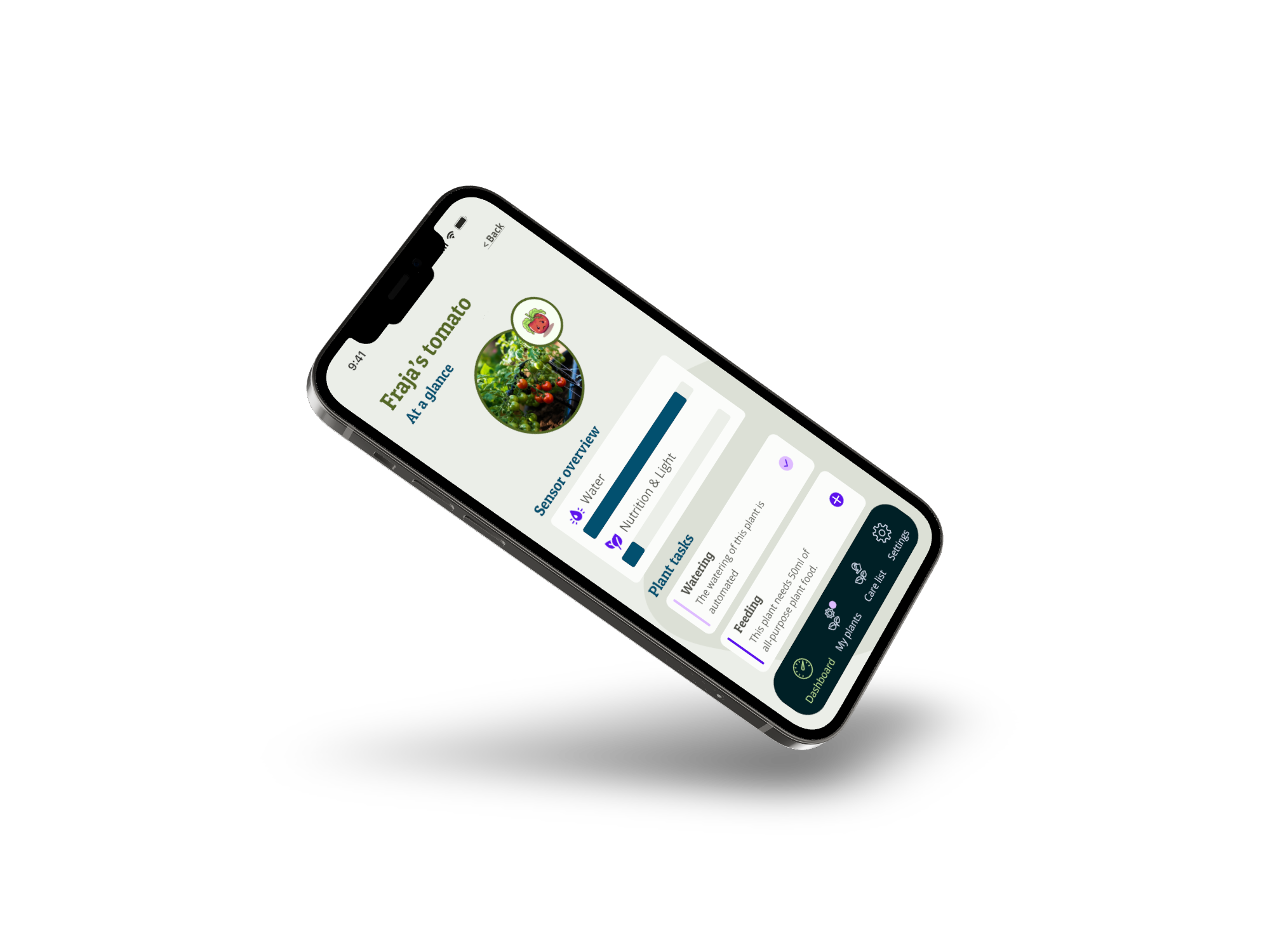
A soil-sensor app that tells home growers what the soil is saying and what to do about it. MA thesis, tested with 19 participants.
Things I’m still working out.
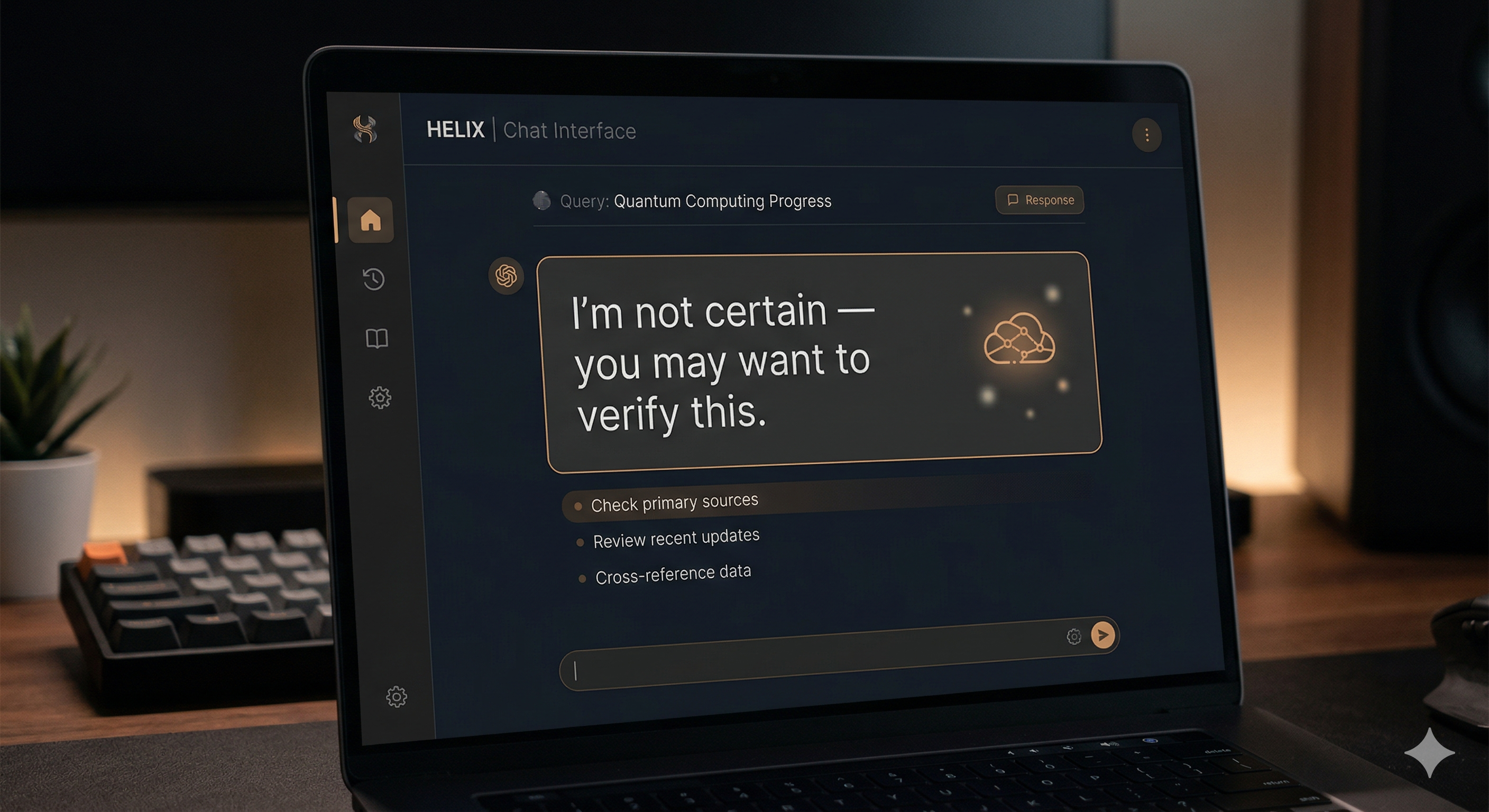
How should an interface show a model’s probabilistic analysis without overstating its confidence, when someone might bet money on it?
Can LLM-assisted research analysis be made hallucination-resistant enough to base design decisions on? Citation-forcing plus manual verification was the answer.
Can a portfolio about honest AI be enjoyable without overselling anything? This site is the test.
Most AI products are designed to project confidence. But confidence without calibration is a UX failure — and eventually a trust failure. Designing for uncertainty isn't a safety nicety, it's what makes AI worth depending on.
Read →
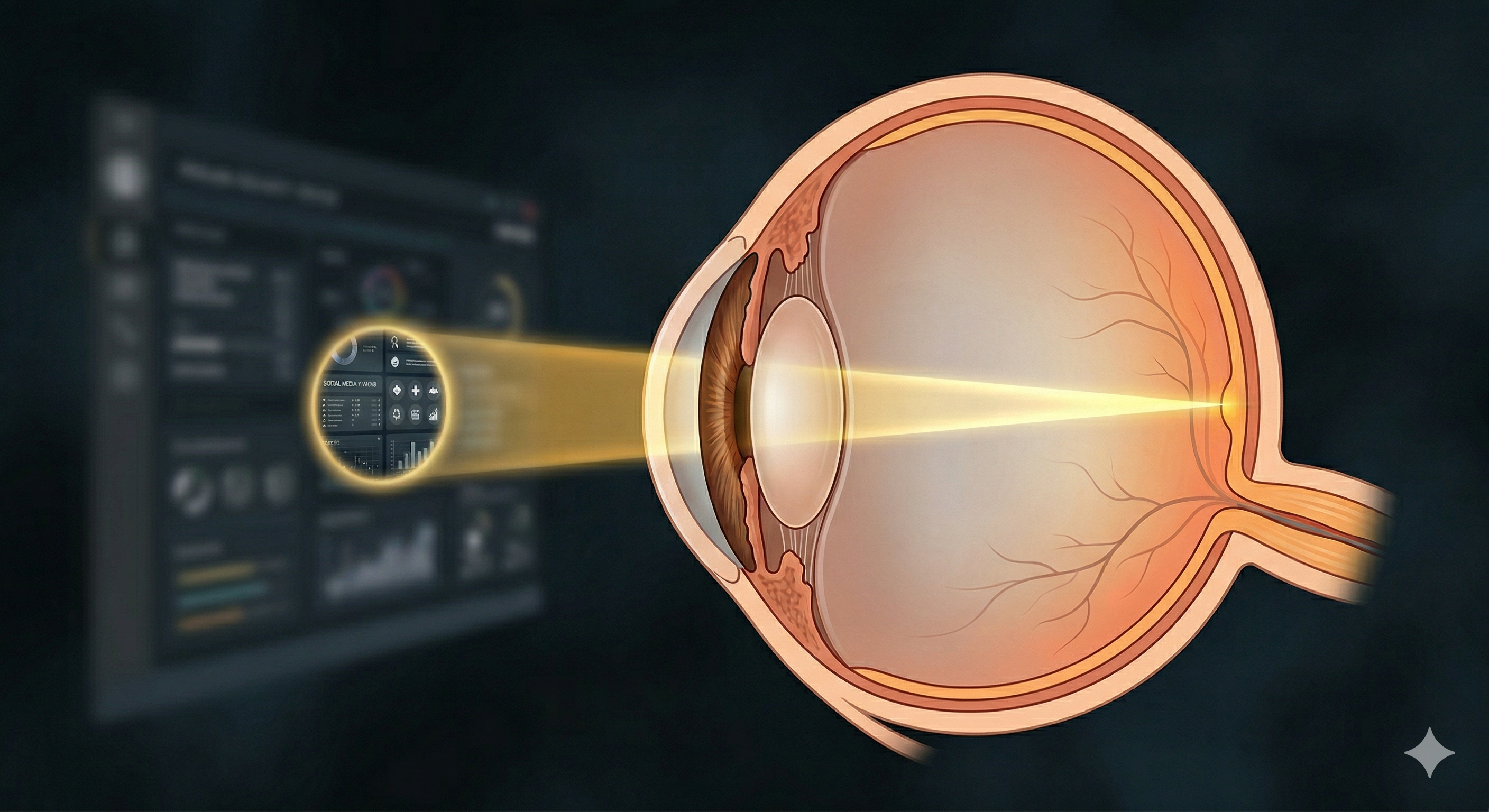
There's a gap between the interface you designed and the interface your users experience. Understanding foveal vision, change blindness, and inattentional blindness changes how you think about hierarchy and placement.
Read →I’m a UX researcher and designer. Lately I’ve been testing how AI products behave when they’re wrong: writing the evaluation checks and adversarial prompts, and checking the guardrails hold.
MA UX Design (Distinction), Falmouth University · BA (Hons), University of Suffolk
Email is the best way to reach me.